Rising damp symptoms: spotting the signs in Eastern Suburbs terraces and flats
What each sign of damp looks like, what usually causes it, and when it's the courtyard, the slope or the sea air instead.
Reading damp in Eastern Suburbs homes
Rising damp symptoms look much the same in any old building, but in the Eastern Suburbs they’re often mixed up with water from other places: a rear courtyard paved above the damp course, a basement cut into sandstone, or salt carried in from the ocean. Each needs a different fix, so it’s worth knowing which signs point where.
Flaking paint at skirting height
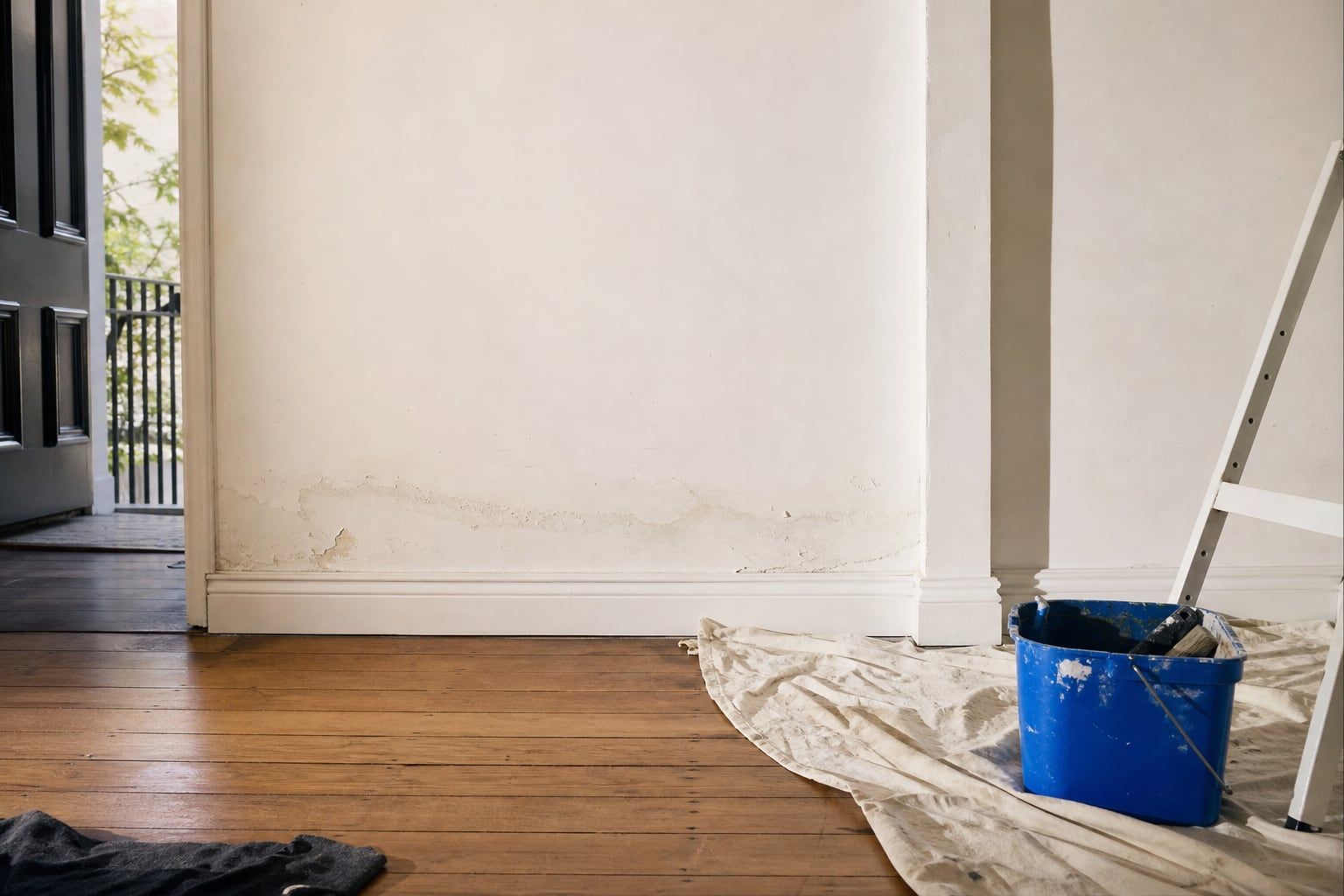
Paint lifting, bubbling or flaking in a band along the bottom of the wall is the most common sign. It happens when moisture and salt push out from behind the paint. When it runs along several walls at a similar height, rising damp is likely.
Salt on the wall
White, fluffy or powdery deposits on plaster or brick are salts left as water evaporates. Low on internal walls, they point to water coming up from the ground. High on outside walls facing the beach, they’re more often from sea spray.
Crumbling or hollow plaster
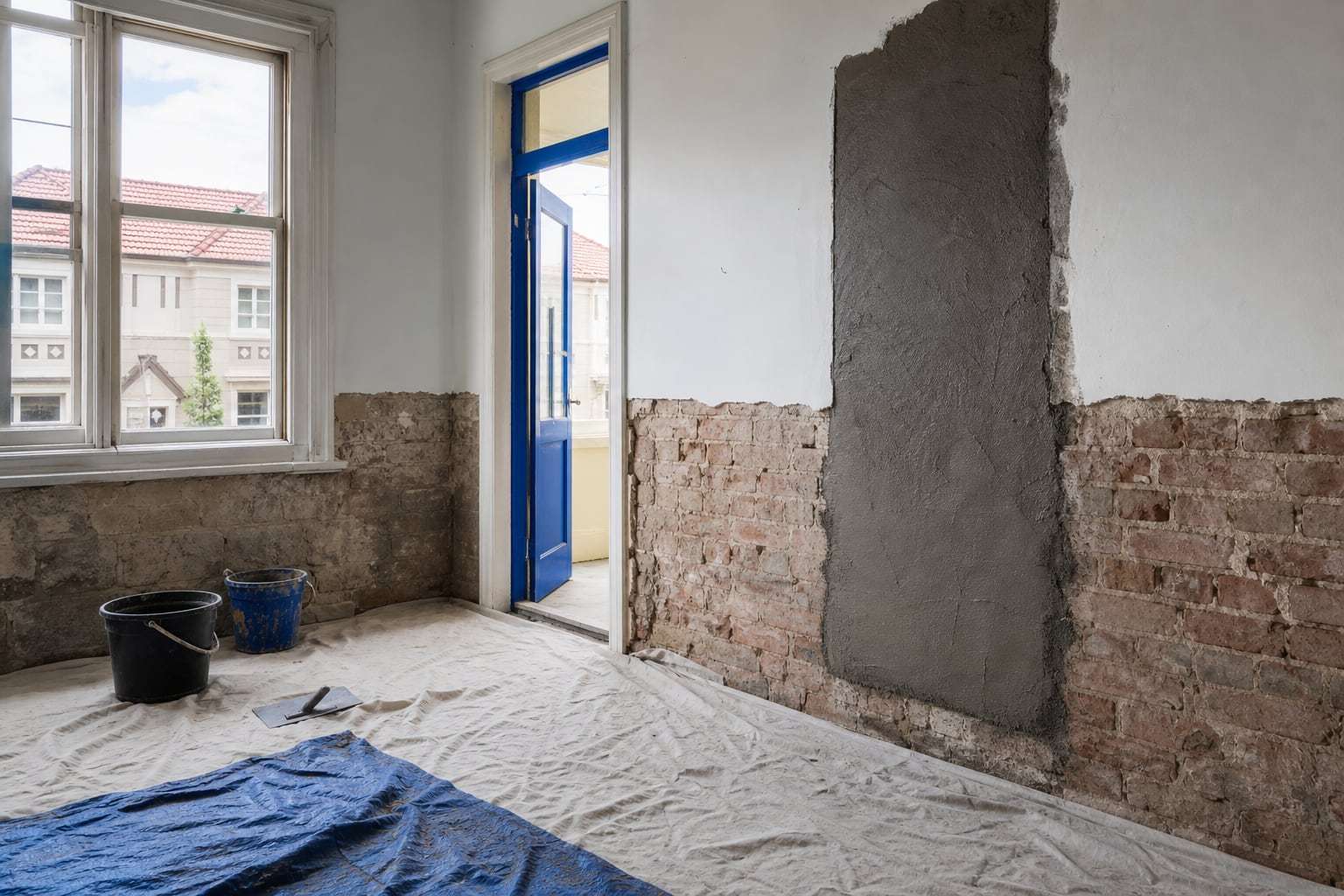
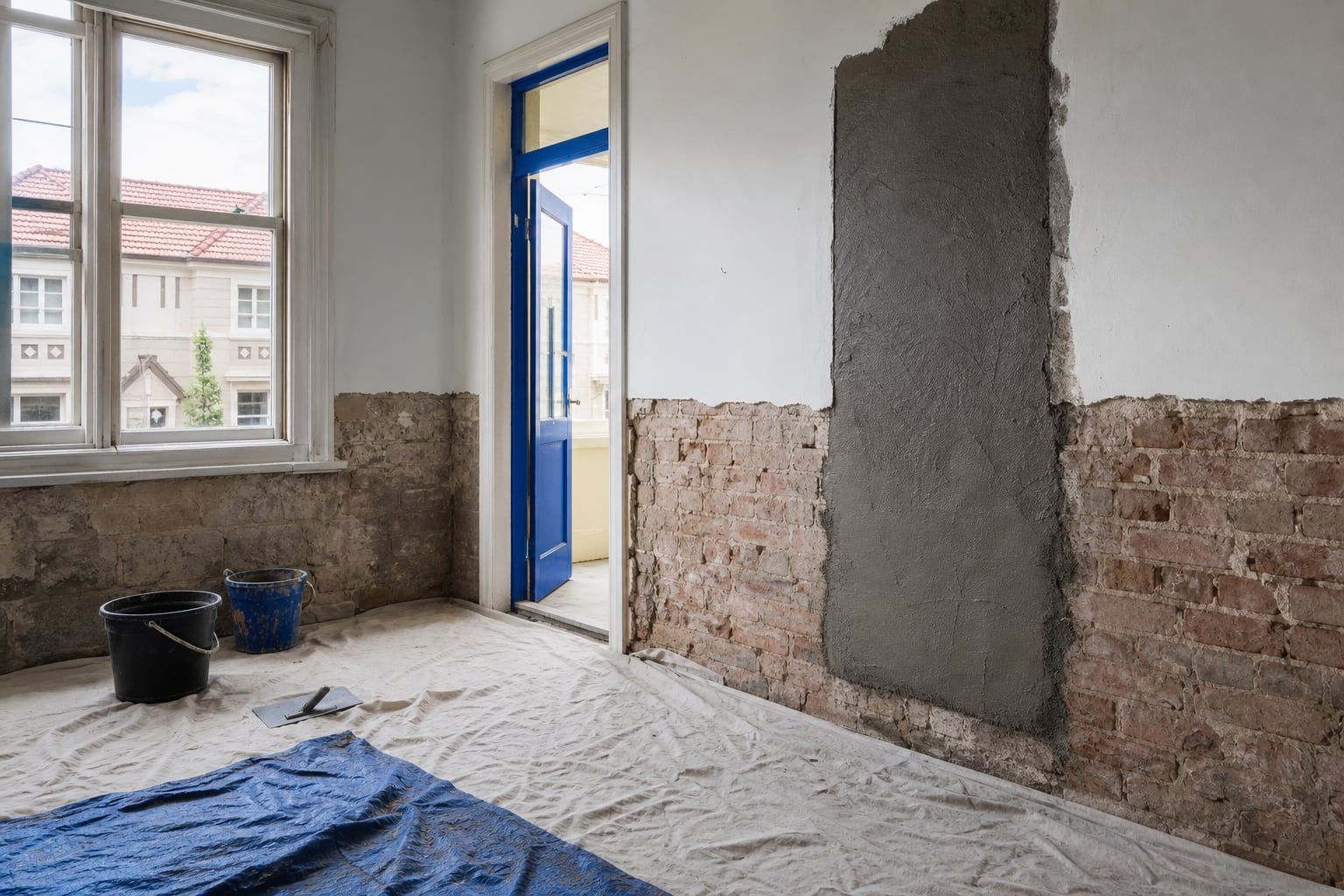
Plaster that crumbles, turns sandy or sounds hollow when tapped has been broken down by salt. It won’t recover, so it has to come off and be replaced with salt-damaged plaster repair once the cause is fixed.
A damp back wall
In a terrace, damp concentrated in the kitchen, laundry or bathroom at the back of the house is a strong clue to the courtyard. Check whether the paving outside is level with or above the bottom of the wall. Our guide on damp courtyards and basements explains what to look for.
Damp along a party wall
Damp running along a shared wall between terraces or semis is usually rising damp in the party wall itself. It can often be treated from your side. Our guide to rising damp in terraces explains how.
Mould inside built-in wardrobes
Black spots or a grey bloom inside wardrobes and cupboards on external walls come from damp, still air against a cold, damp wall. They’re very common in ground-floor units of older blocks. See damp in Art Deco flats.
A musty smell
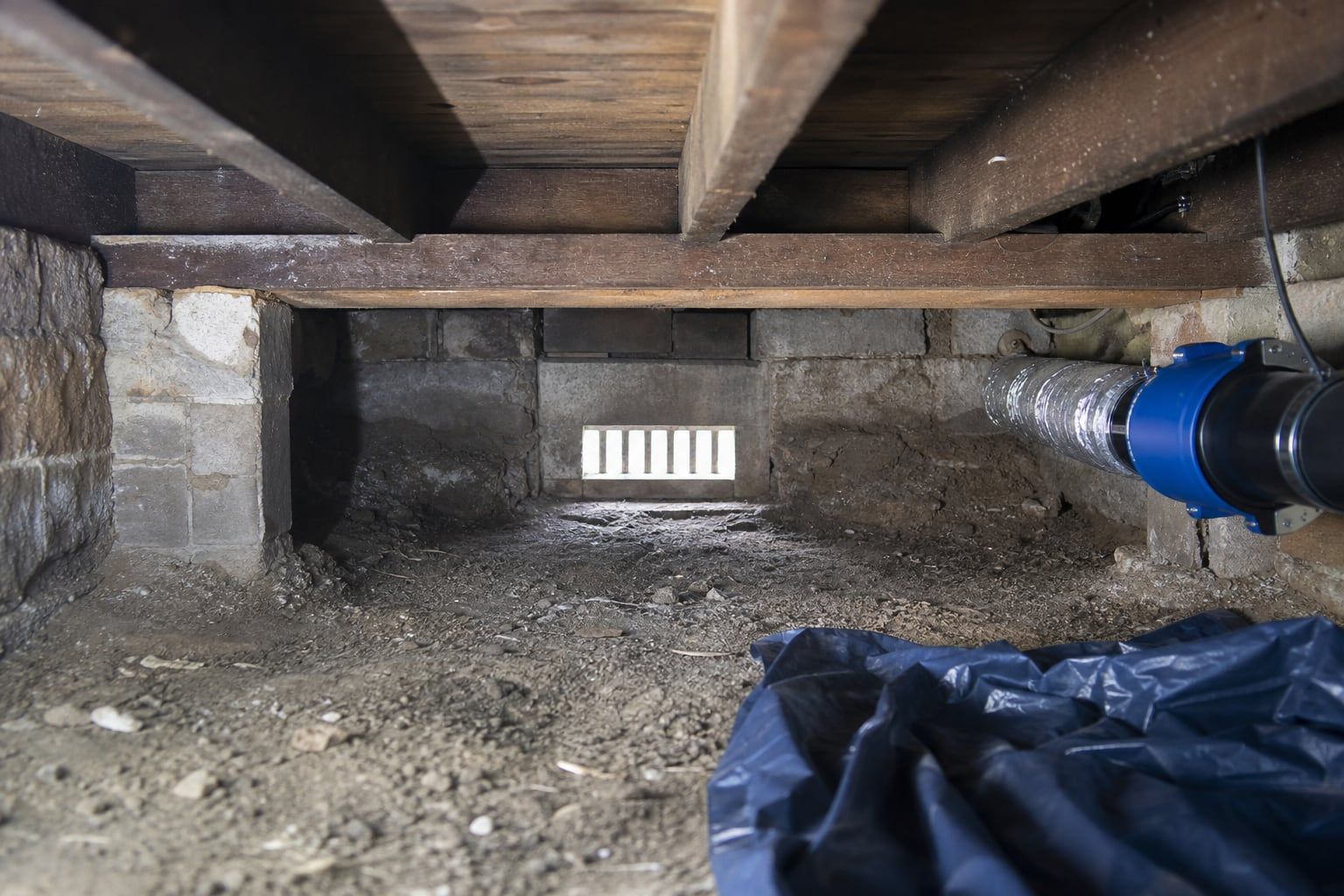
A stale, earthy smell that’s worse in winter and in ground-floor rooms usually comes from damp masonry or a damp subfloor. In terraces, the long, narrow subfloor often has very little airflow. Subfloor ventilation can help.
Powdery render outside
External render that’s going powdery, falling away in patches or blistering under the paint points to salt. Low on the wall, it’s likely to be from the ground. On ocean-facing walls in Bondi, Bronte, Clovelly or Coogee, it’s often airborne salt.
A weeping basement wall
A basement or lower-room wall that’s visibly wet or trickles water after heavy rain isn’t rising damp. It’s water coming through from the slope behind. It needs drainage or waterproof tanking.
When it adds up to rising damp
It’s probably rising damp if the damage is along the base of ground-floor walls on several sides, fades out below about a metre, is there in dry weather and comes with salt in the plaster. In that case a new barrier is needed. Our page on rising damp treatment explains how we diagnose it, and our overview of Eastern Suburbs rising damp covers how the job runs.
Updated
What fixes these symptoms in the Eastern Suburbs
More on damp for Eastern Suburbs homeowners
- Rising damp in terraces: why Eastern Suburbs terraces stay damp and how to fix themHow Victorian and Federation terraces were built, why so many now have damp walls, and how to repair them without losing their character.
- Damp in Art Deco flats: ground-floor units, strata and getting it fixedWhy ground-floor units in the Eastern Suburbs' older apartment blocks get damp walls, who is usually responsible, and how to move a repair forward.
- Damp courtyards and basements: water against Eastern Suburbs wallsHow raised courtyards, sloping sites and sandstone put water against Eastern Suburbs walls above the damp course, and the drainage and tanking that fix it.
Questions about rising damp symptoms
Something else on your mind? Call and ask.
My terrace's kitchen wall is the only damp one. Is that rising damp?
It might be, but a damp back wall in a terrace is very often caused by the courtyard outside sitting above the damp course. Check the paving level against the wall before assuming it's rising damp.
Does rising damp affect upstairs?
Almost never. It rarely climbs much above a metre from the ground. Damp on upper floors usually comes from leaks, balconies or condensation.
Can I see rising damp before it damages the paint?
Sometimes. A musty smell, cold and slightly damp skirtings, or a faint tide mark often appear before the paint fails.