Waterproof Tanking and Drainage Eastern Suburbs
Get water away from the back wall, and waterproof the walls that sit below ground or against the rock.
Waterproof tanking and drainage solve the damp that comes in from the side of a wall. A damp course only stops water rising up from the footing. In the Eastern Suburbs, a lot of damp comes from somewhere else: a courtyard paved above the old course, a basement cut into the sandstone, a garage built into a steep block, or soil piled against a wall.
Courtyards
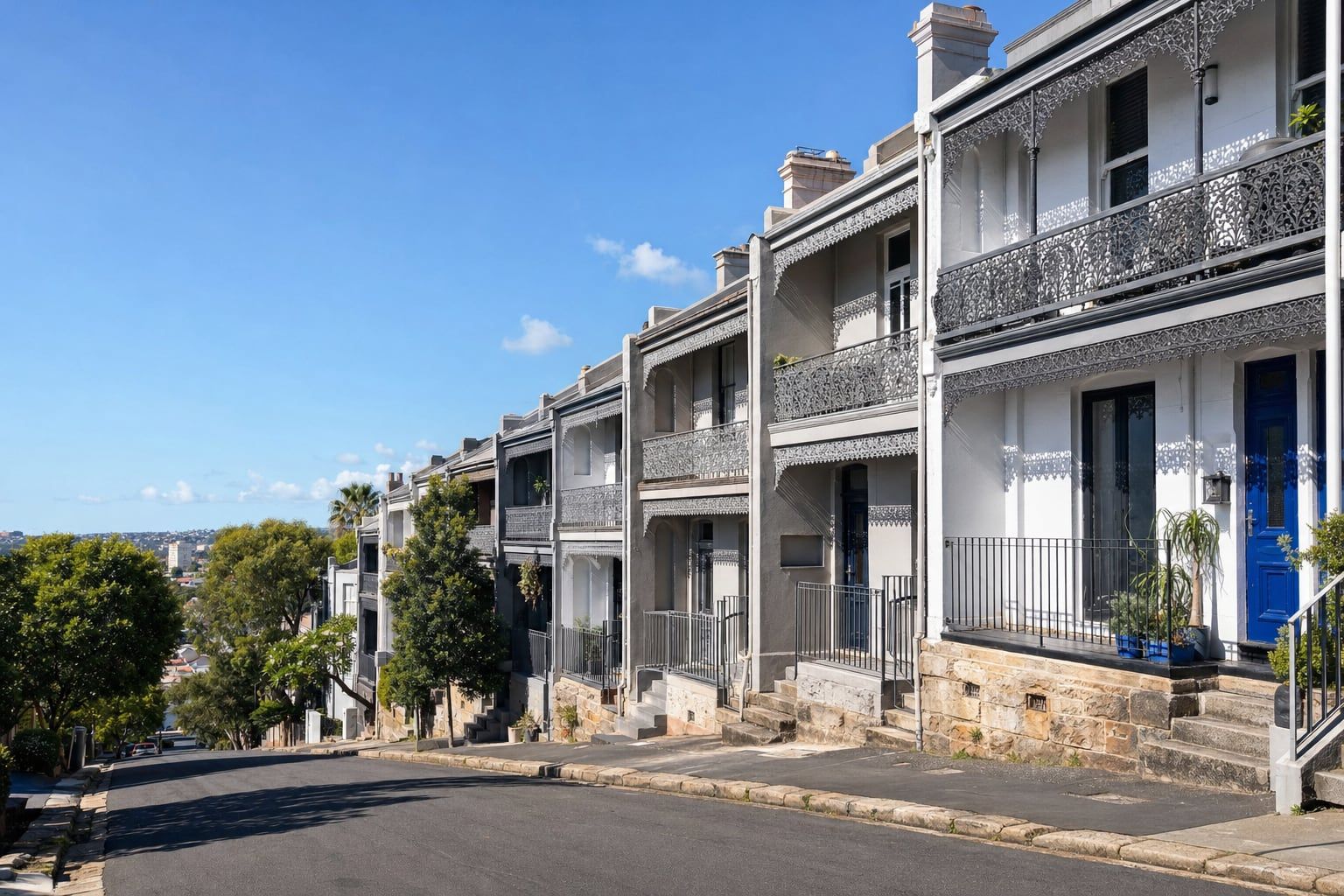
Victorian and Federation terraces in Paddington, Woollahra, Darlinghurst, Surry Hills and Redfern almost all have a small rear courtyard. Over a century, most have been paved, then paved again over the top, and then again. Each layer raises the surface. Many courtyards now sit well above the original damp course, and they’re often sealed and drain toward the house rather than away from it.
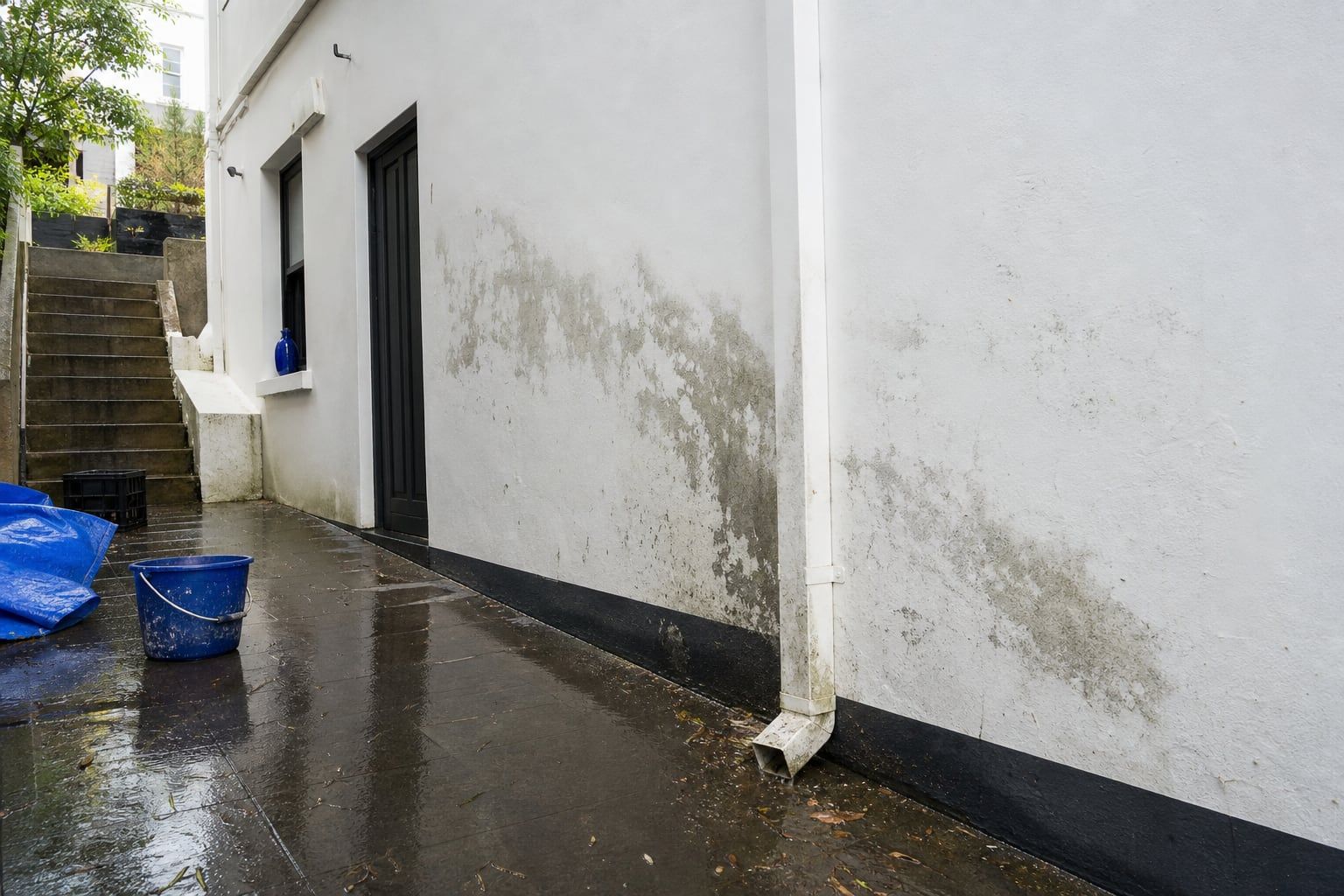
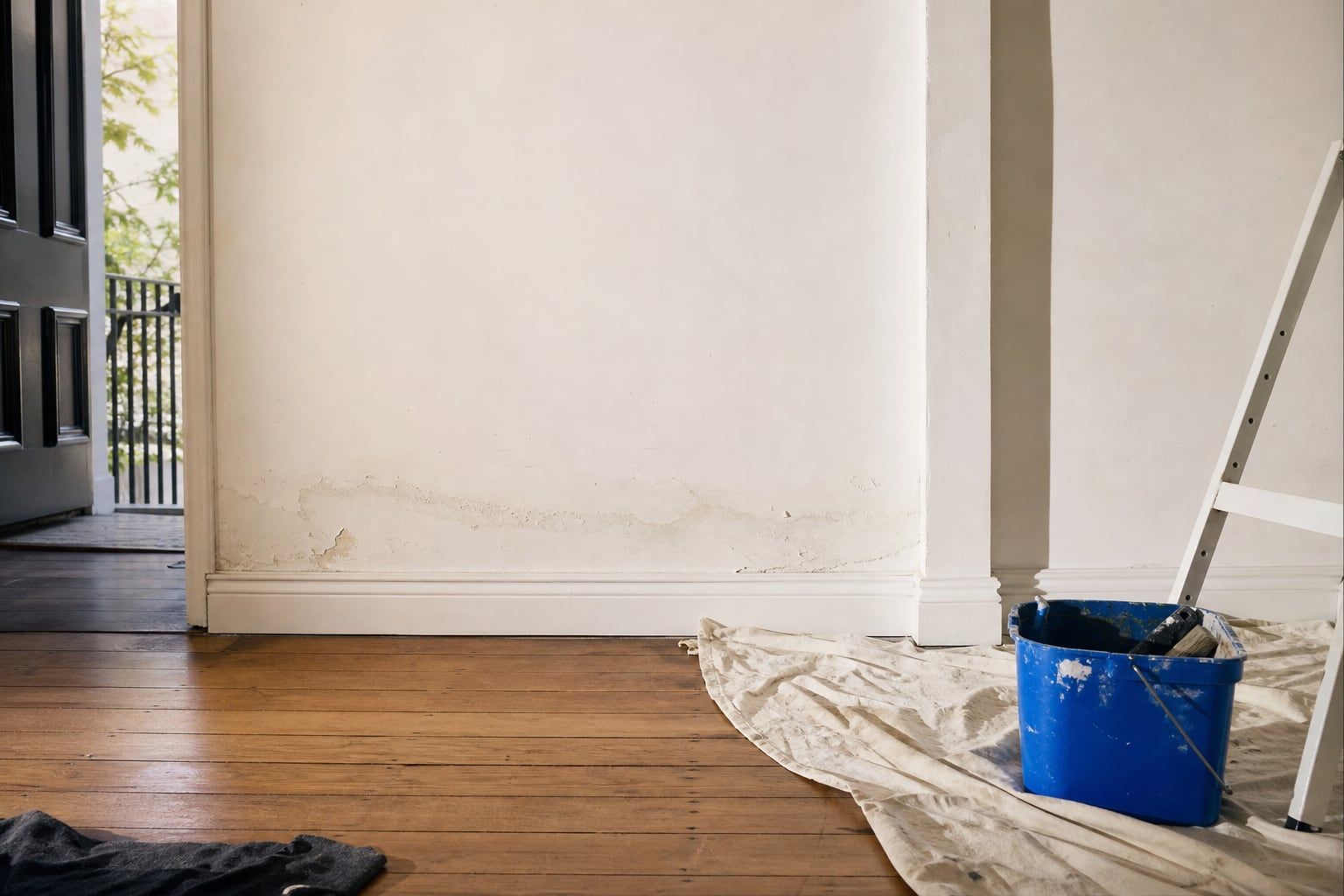
Every time it rains, water pools against the back wall above the damp course and soaks in. The kitchen and laundry at the back of the terrace show damp, flaking paint and salt, and a new damp course alone won’t fix it.
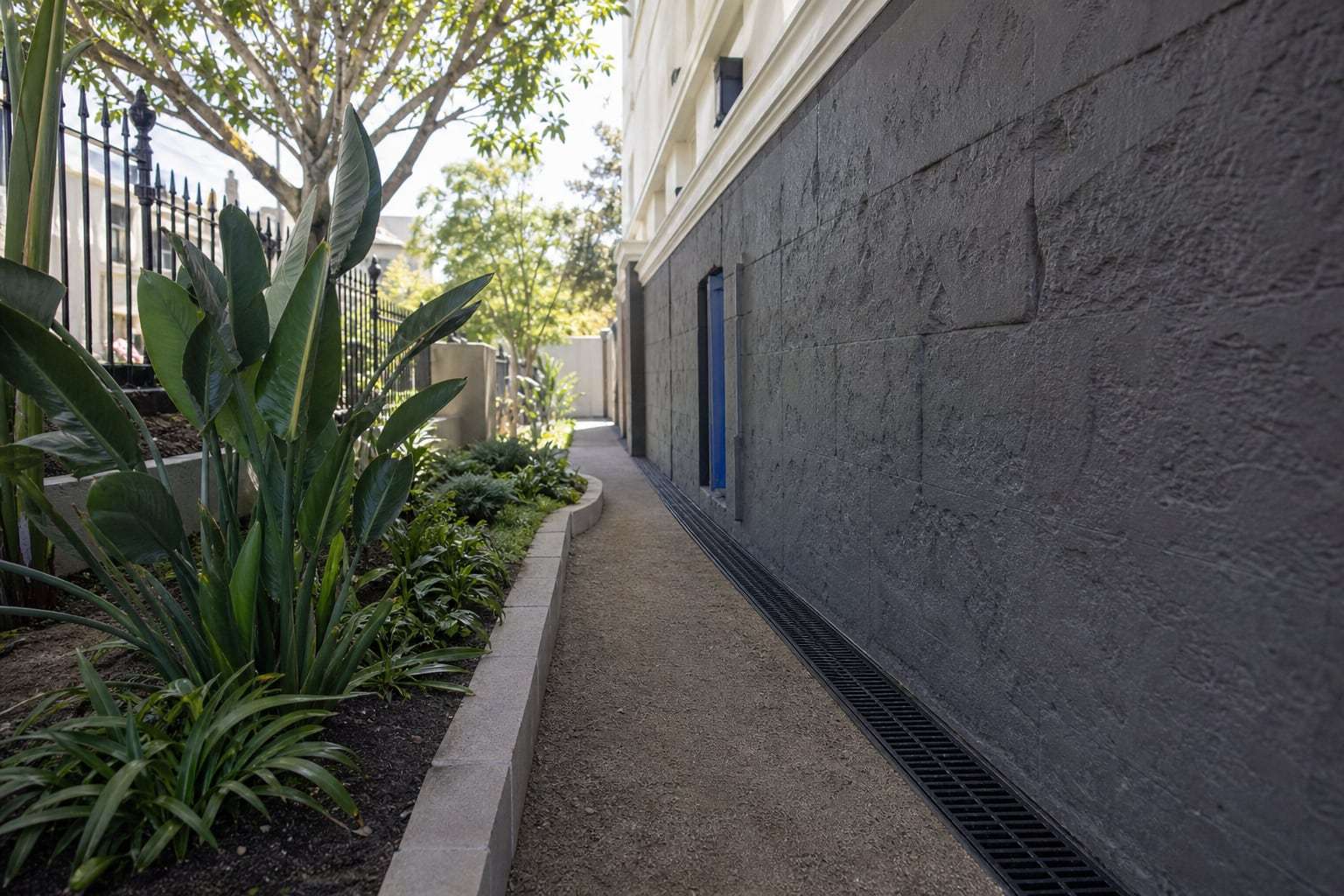
The fix is outside. We lower the paving so it sits below the course, regrade it to fall away from the wall, or install a channel drain along the base of the wall connected to the stormwater. Often that alone makes the biggest difference. Our guide on damp courtyards and basements covers it in detail.
Basements and below-ground rooms
The Eastern Suburbs is built on sandstone, and on steep streets in Bellevue Hill, Vaucluse, Rose Bay, Edgecliff and Bronte many buildings have a basement, semi-basement, garage or lower room cut into the rock. Water moving along the top of the sandstone after rain reaches those walls and seeps through.
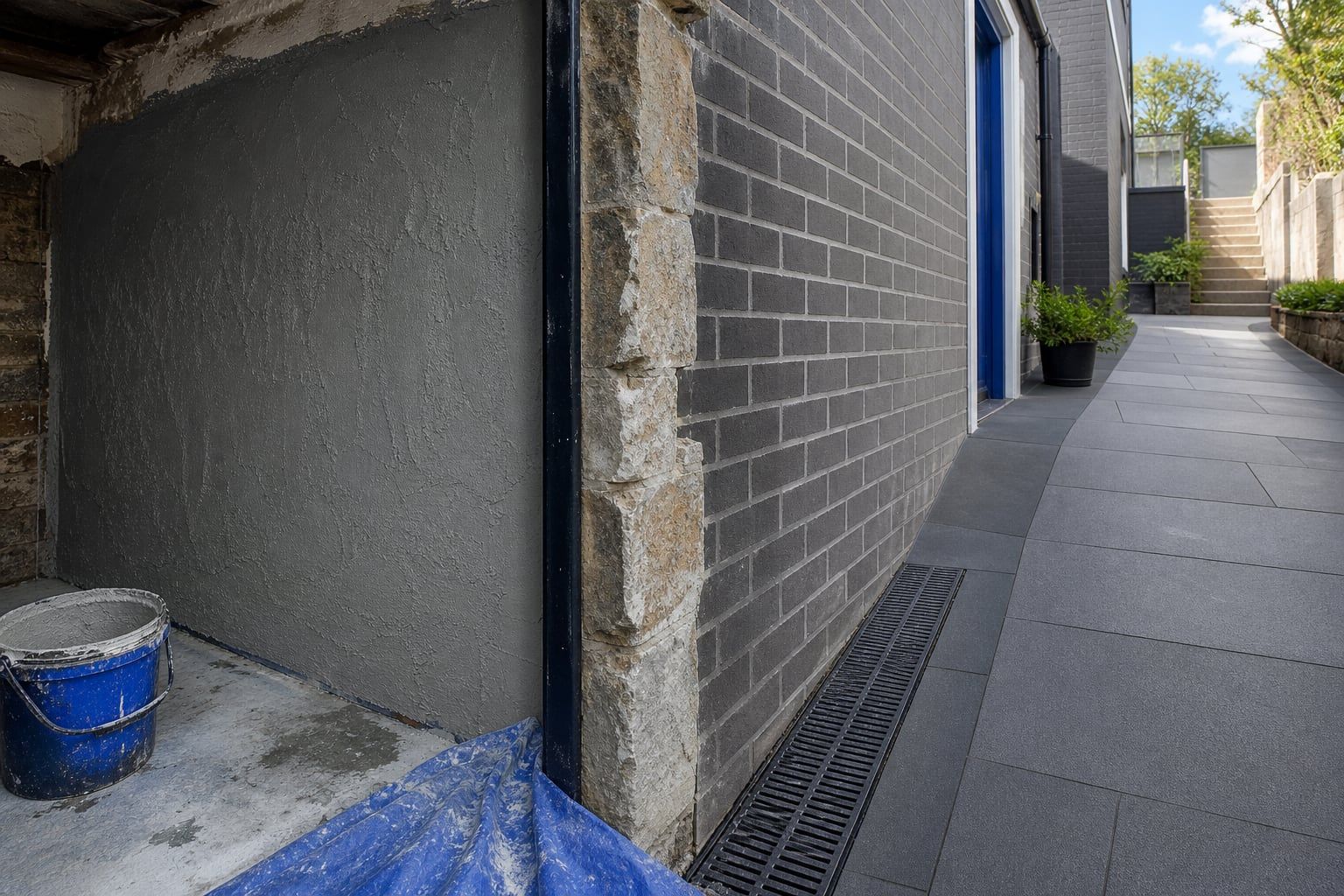
Where we can get to the outside, drainage behind the wall takes pressure off it. Where we can’t, which is common in basements, we tank the inside face: a cementitious waterproofing system built up in layers, carried around corners and down onto the floor, then protected with render or a lining.
Other walls with ground against them
On sloping blocks, front gardens and side paths are often higher than the floor inside. Garden beds get built up against walls. Driveways fall toward the house. Each puts water against the wall above the damp course. Lowering soil, regrading paths and adding drainage are usually the first steps.
Reading it correctly
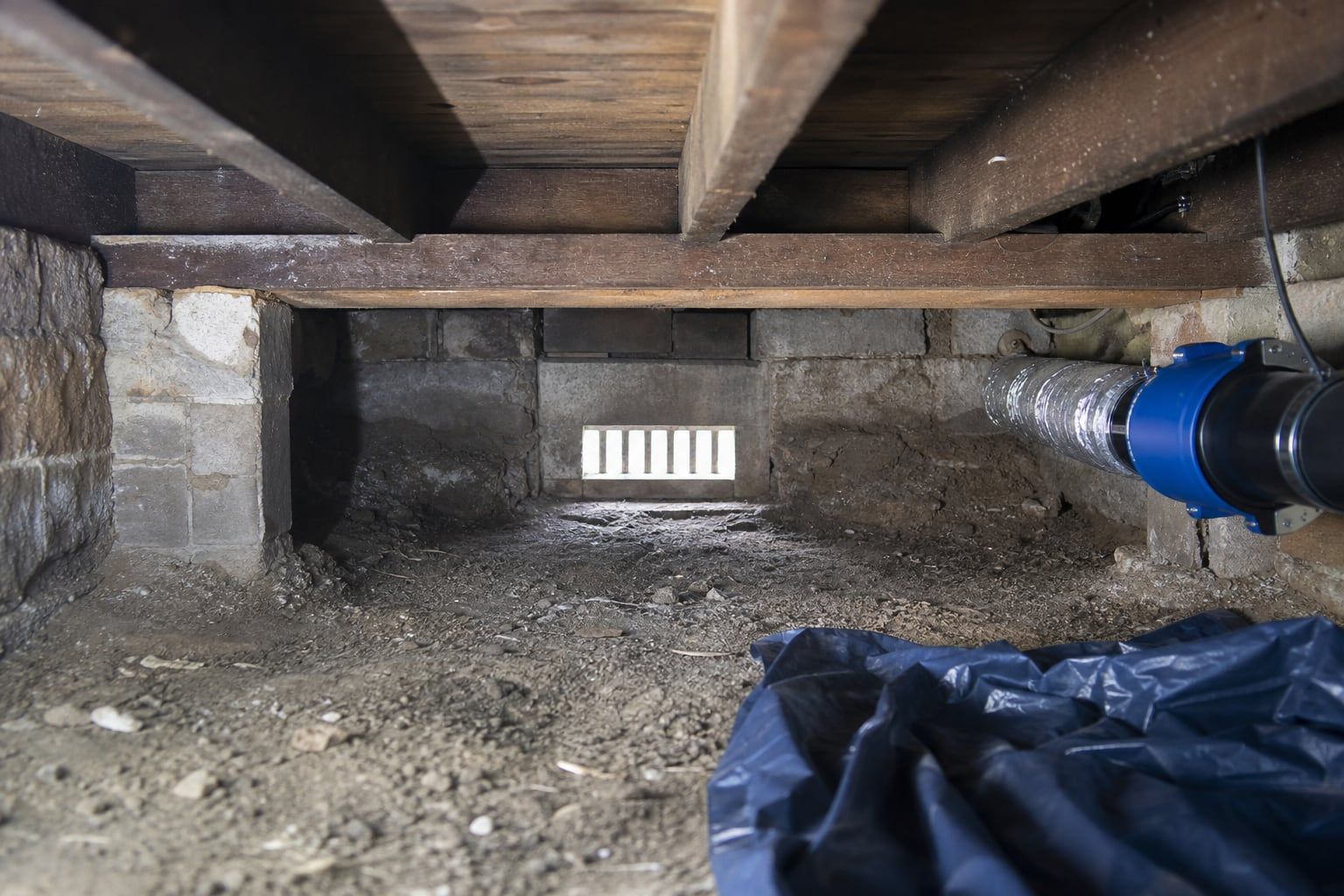
We don’t assume tanking is needed. Readings show whether the damp is even along the base of the wall, pointing to rising damp, or concentrated where ground or paving sits against it and worse after rain, pointing to water coming from the side. Many terraces have both. The plan might combine courtyard drainage at the back, a chemical damp course on internal walls and subfloor fans under the timber floors.
Strata buildings
In apartment blocks with damp basements, garages or ground-floor units against the slope, drainage and tanking are usually common property work for the owners corporation. We provide a written diagnosis and method so the committee can decide. See damp in Art Deco flats.
Finishing
Walls that weren’t tanked get their salt-damaged plaster replaced with salt-damaged plaster repair. Everything is set out in one written quote. For the full process, see rising damp treatment.
Updated
What good waterproof tanking and drainage looks like
Waterproof Tanking and Drainage across the Eastern Suburbs
Waterproof Tanking and Drainage in the Eastern Suburbs: step by step
- Read the waterWe look at where water lands, where it flows and which walls it reaches, in wet and dry weather.
- Fix the courtyardPaving is lowered or regraded, or a drain installed, so water is carried away from the wall.
- Tank below groundWalls that must stay against soil or sandstone get a waterproof system on the inside face.
- FinishTanked walls are rendered or lined so the room can be used and painted.
Waterproof Tanking and Drainage guides for Eastern Suburbs homeowners
- Damp in Art Deco flats: ground-floor units, strata and getting it fixedWhy ground-floor units in the Eastern Suburbs' older apartment blocks get damp walls, who is usually responsible, and how to move a repair forward.
- Damp courtyards and basements: water against Eastern Suburbs wallsHow raised courtyards, sloping sites and sandstone put water against Eastern Suburbs walls above the damp course, and the drainage and tanking that fix it.
Waterproof Tanking and Drainage questions in the Eastern Suburbs
Something else on your mind? Call and ask.
Why is my terrace's back wall always damp?
In many terraces the rear courtyard has been paved several times, each layer higher, until it sits above the original damp course. Rain then soaks straight into the back wall. Lowering or draining the courtyard usually fixes it.
Can a basement be waterproofed?
In most cases. With water directed away outside where possible and tanking on the walls below ground, many Eastern Suburbs basements and semi-basements can be made dry enough for storage or living space.
Is tanking the same as waterproof paint?
No. Waterproof paint sits on the surface and is pushed off by water behind it. Tanking is a cementitious coating or membrane built up in layers and bonded into the wall, designed to resist water pressure.