Rising Damp Treatment Eastern Suburbs
We pin down the source, fix it at the base of the wall, and hand back a room you can use.
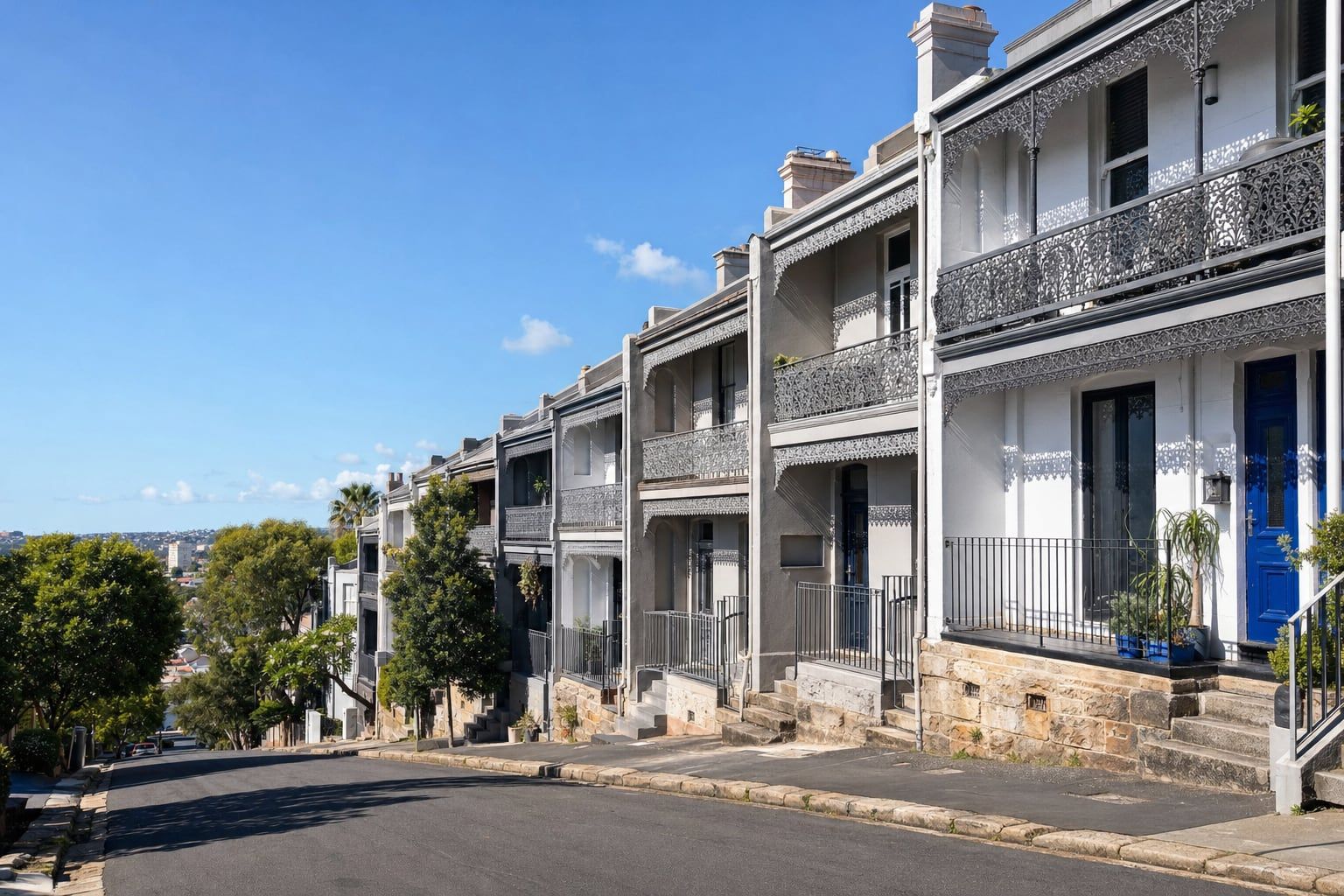
Rising damp treatment in the Eastern Suburbs often happens in tight spaces. A Victorian terrace in Paddington with no side access, a semi-detached cottage in Randwick with a party wall, an Art Deco flat in Bondi with a damp ground-floor bedroom. The buildings are old, close together and built on sandstone, and water from the ground, the courtyard or the hill behind finds its way into the base of the walls.
How we diagnose it
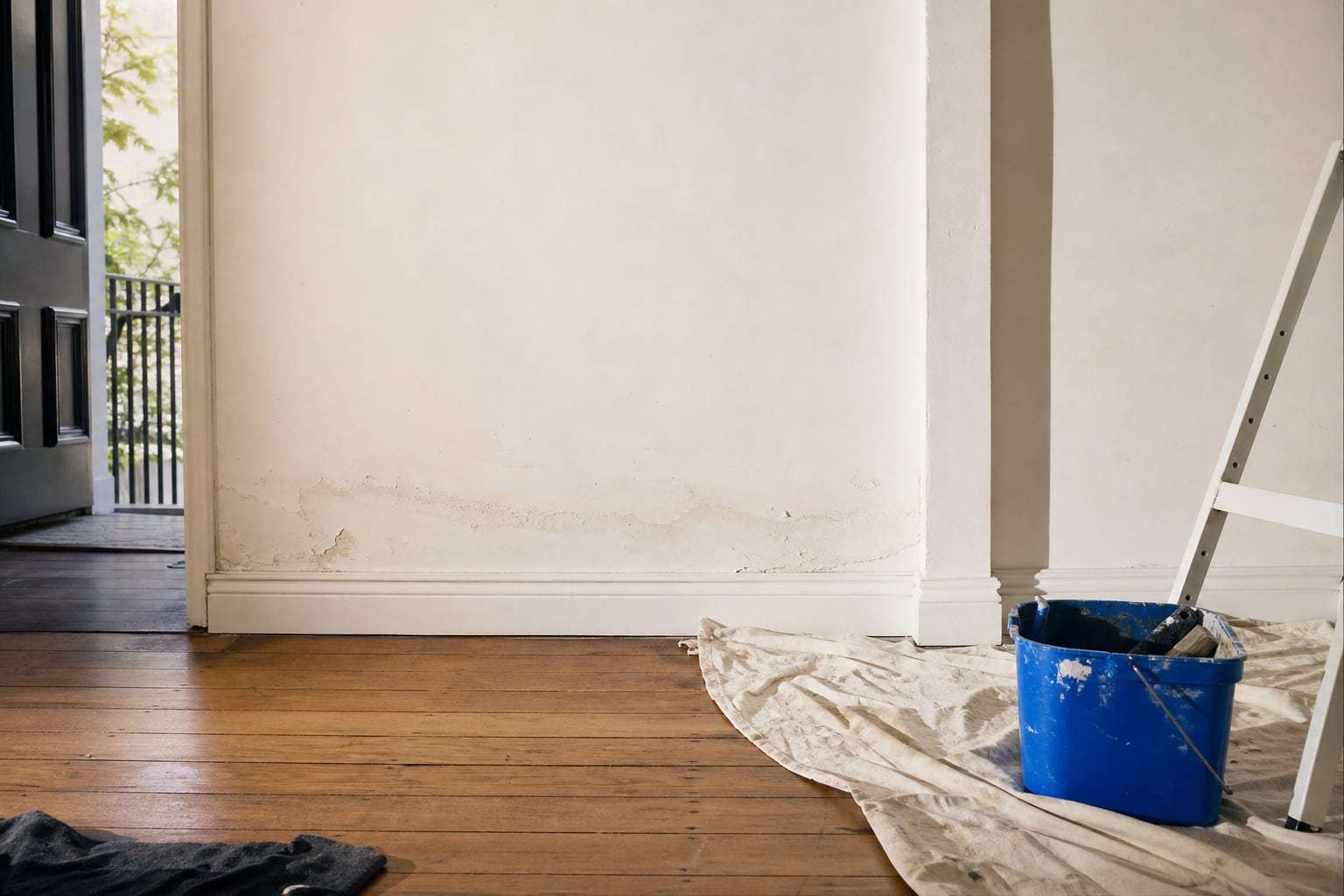
Every job begins with readings. We measure along each damp wall and at several heights, so we can see where the moisture peaks and where it stops. We test the plaster for salt. Rising damp leaves a consistent pattern: wettest at the base, fading out below about a metre, and the same in dry weather as wet.
If the pattern is different, there’s another cause, and in the Eastern Suburbs there often is. Rear courtyards paved right up to the back wall, front gardens raised over the years, downpipes discharging into a sealed courtyard, leaking balconies and cracked render all produce damp that looks like rising damp. We check each of them.
The repairs we use
Most buildings get some combination of:
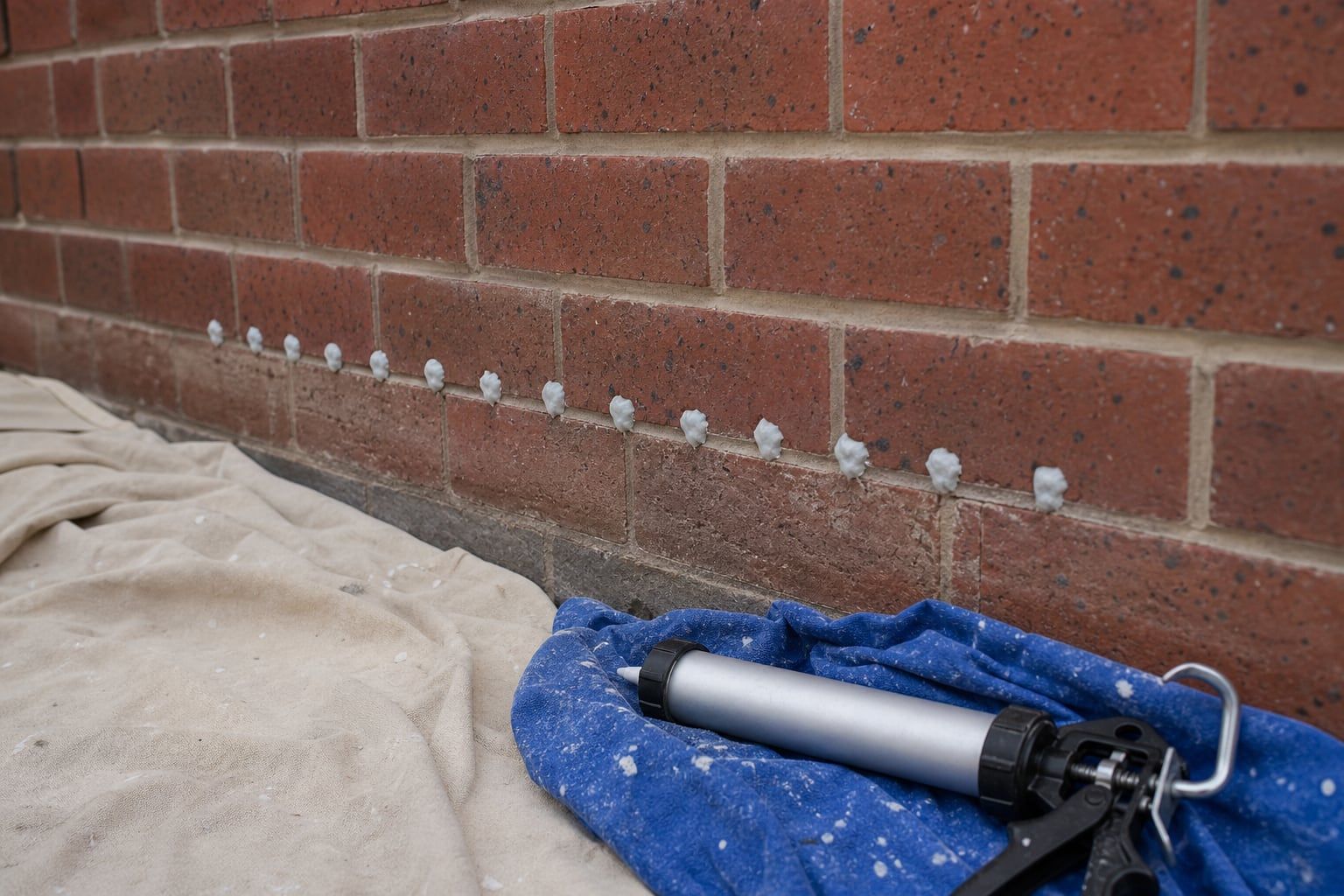
- A chemical damp course injected into the mortar of brick walls, including party walls.
- A physical damp course for sandstone footings and walls of soft early brick.
- Damp wall drainage and tanking for courtyards, basements and walls cut into the hill.
- Subfloor ventilation for terraces and cottages with timber floors over a crawl space.
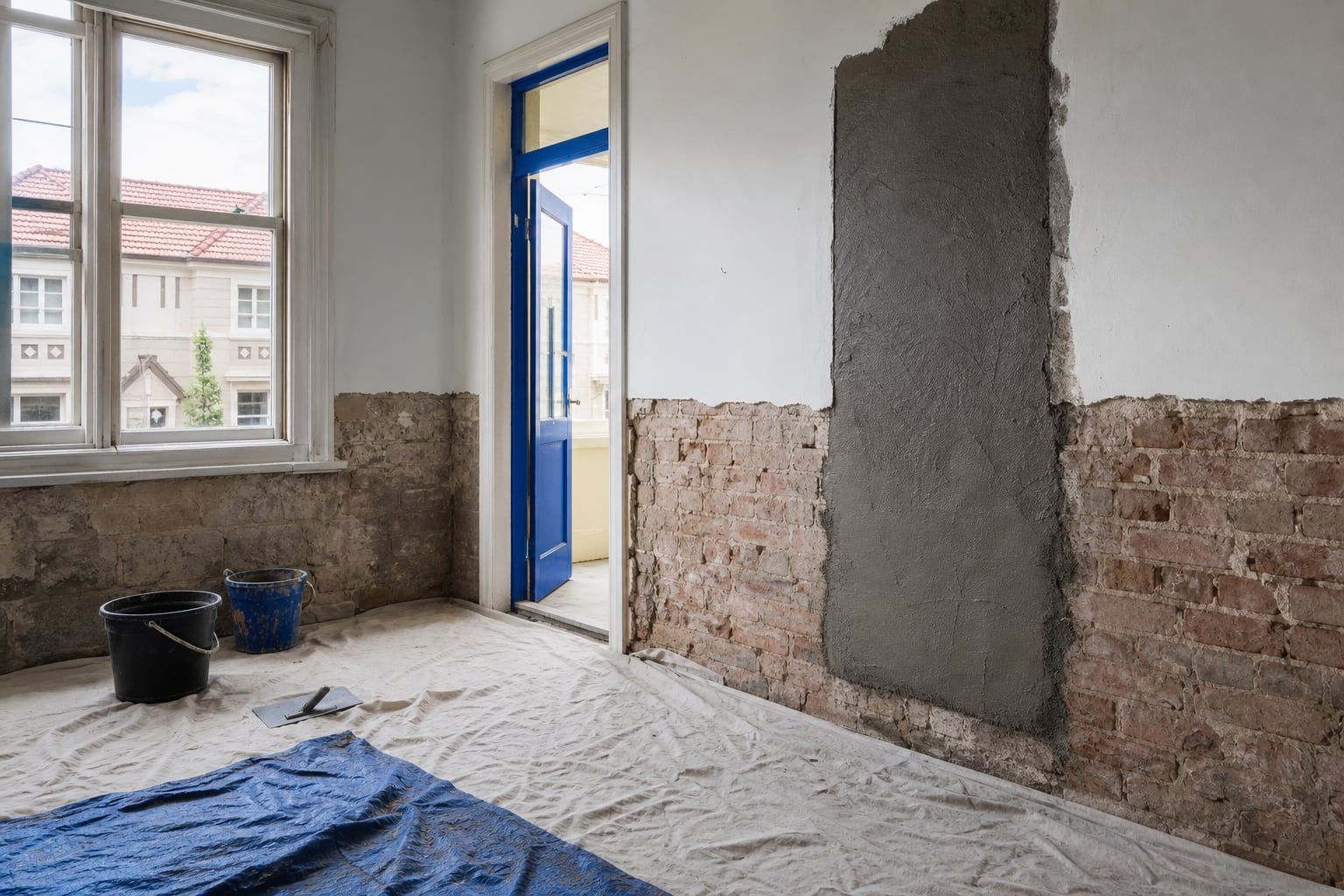
- Salt-damaged plaster repair to finish the wall.
Why Eastern Suburbs buildings get damp
Sandstone underneath. Much of the area is built on sandstone, and water travels along the rock and through the sandy soil above it. Terraces stepping down the streets of Paddington, Darlinghurst and Woollahra each sit a little lower than the one above, and water moves through the ground from one block to the next.
Courtyards. Victorian terraces have small rear courtyards, and almost all have been paved, often more than once, each time a little higher. Many now sit above the original damp course, and every rainfall puts water against the back wall. Our guide on damp courtyards and basements explains this in detail.
Age. Terraces from the 1870s and 1880s were built with slate courses, if they had one at all, and soft bricks laid in lime. Our guide to rising damp in terraces covers why they need careful treatment.
The coast. Bondi, Bronte, Clovelly, Coogee and Maroubra get salt air, which loads exposed render with salt and makes walls read damp at the surface.
In strata buildings
The Art Deco and inter-war blocks of Bondi, Randwick, Rose Bay and Bellevue Hill often have damp in ground-floor units. In most buildings the walls are common property, so the owners corporation decides on the work. We give a written diagnosis and quote that a strata manager or committee can work from. Our guide on damp in Art Deco flats explains how that usually works.
Finishing the job
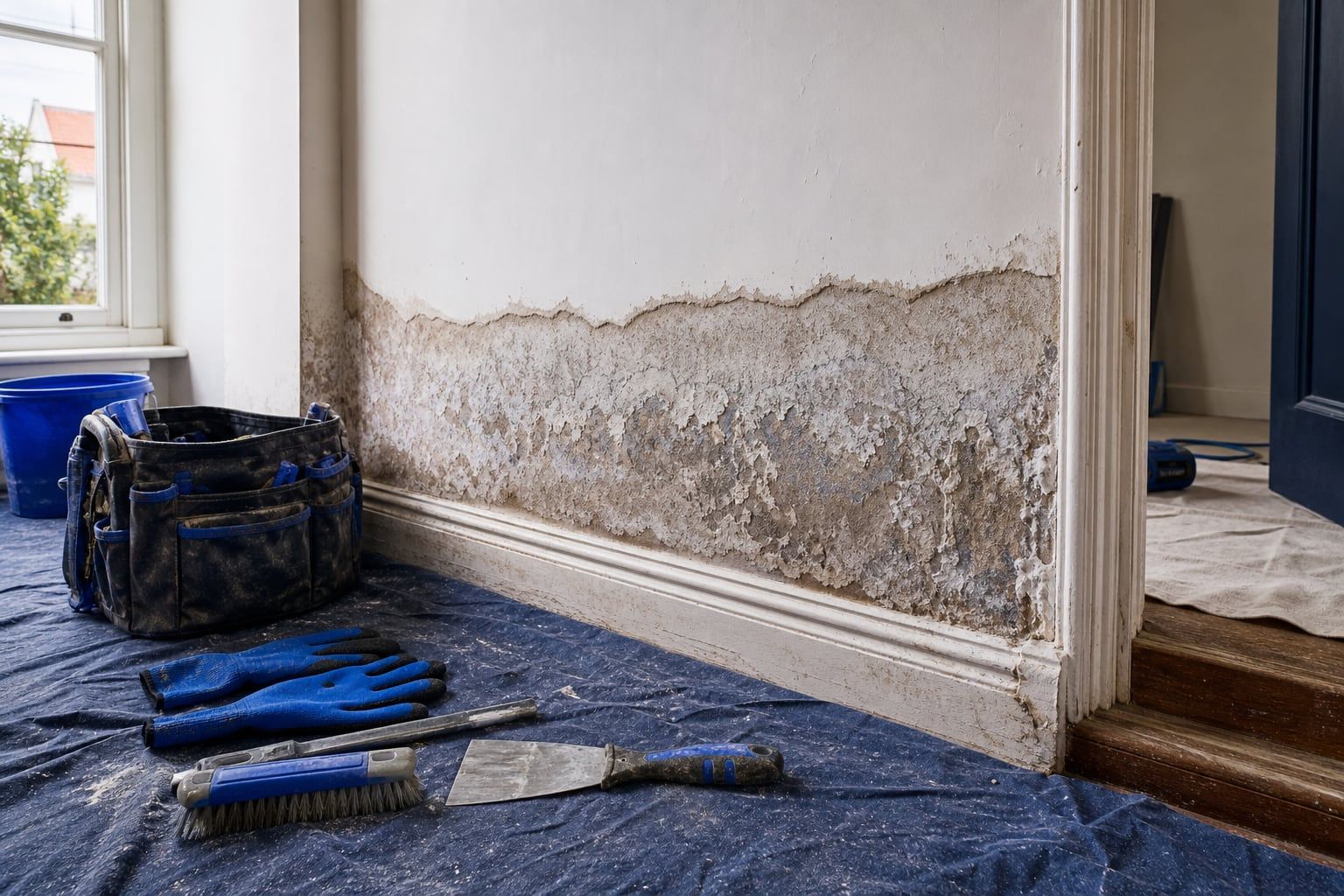
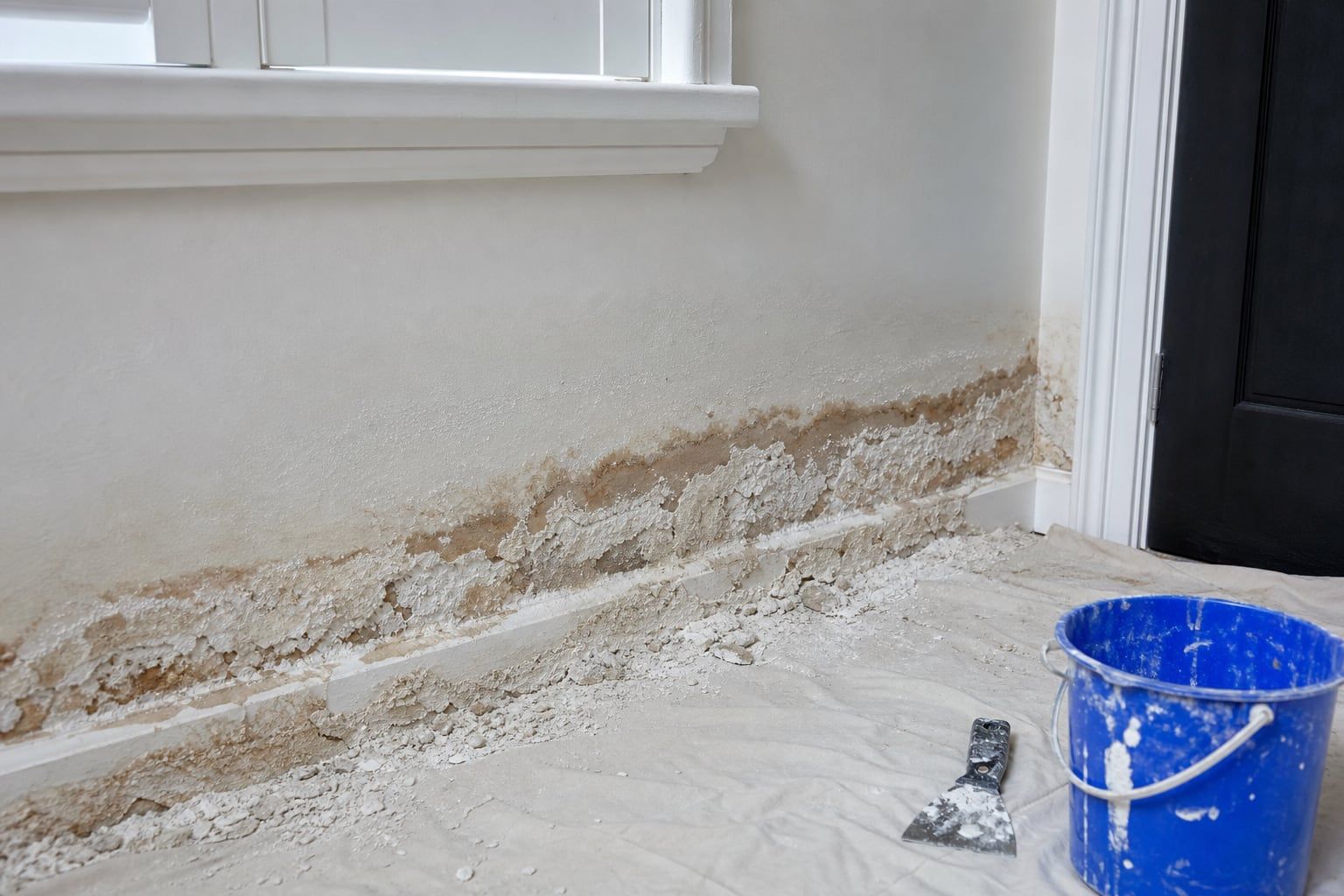
Once the water is stopped, salty plaster is removed past the highest contaminated point, the wall is given time to dry, and a salt-tolerant render goes back on. Skirtings, architraves and period details are protected or replaced to match.
If you’re not sure what you’re seeing, our page on rising damp symptoms shows the common signs and what causes them.
Updated
What good rising damp treatment looks like
Rising Damp Treatment across the Eastern Suburbs
Rising Damp Treatment in the Eastern Suburbs: step by step
- DiagnoseMoisture readings along and up each damp wall, salt tests, and a look at the courtyard, drains and subfloor.
- ExplainYou get a plain explanation of the cause and a written quote, wall by wall.
- RepairA new damp course, courtyard drainage, tanking or ventilation goes in to stop the water.
- Make goodSalt-damaged plaster comes off and salt-tolerant render goes back on once the wall has dried enough.
Rising Damp Treatment guides for Eastern Suburbs homeowners
- Rising damp in terraces: why Eastern Suburbs terraces stay damp and how to fix themHow Victorian and Federation terraces were built, why so many now have damp walls, and how to repair them without losing their character.
- Damp courtyards and basements: water against Eastern Suburbs wallsHow raised courtyards, sloping sites and sandstone put water against Eastern Suburbs walls above the damp course, and the drainage and tanking that fix it.
Rising Damp Treatment questions in the Eastern Suburbs
Something else on your mind? Call and ask.
Can you work in a narrow terrace without access from the side?
Yes. Most Paddington, Woollahra and Surry Hills edge terraces have no side access, so we work from inside and from the rear courtyard. Party walls can usually be treated from your side.
I'm in a strata building. Who pays for damp repairs?
In most buildings the walls and slab are common property, so the owners corporation is usually responsible, but it depends on the strata plan and by-laws. Talk to your strata manager; we can give them a written diagnosis and quote.
How disruptive is the work?
It depends on the scope. Injection itself is quick; stripping plaster is the messiest part. We seal off the work area, protect floors and furniture, and tell you in advance which rooms will be out of use and for how long.